
What to Expect at Your First Consultation with an Orthopaedic Surgeon
If you've never seen an orthopaedic surgeon before, it's natural to wonder what the appointment will actually involve. Here's a straightforward walkthrough of what to expect.

Before Your Appointment
It's worth noting down when your symptoms started, what makes them better or worse, and any treatments you've already tried, such as physiotherapy or medication. If you've had any previous imaging — X-rays or scans — bringing copies or knowing where they were taken can help speed up the assessment.
Discussing Your Symptoms
Mr George will start by asking about your symptoms in detail — how long you've had them, how they affect your daily life, work, and activities, and what you're hoping to achieve from treatment. This conversation shapes everything that follows, so it's worth being specific.
Examination and Imaging
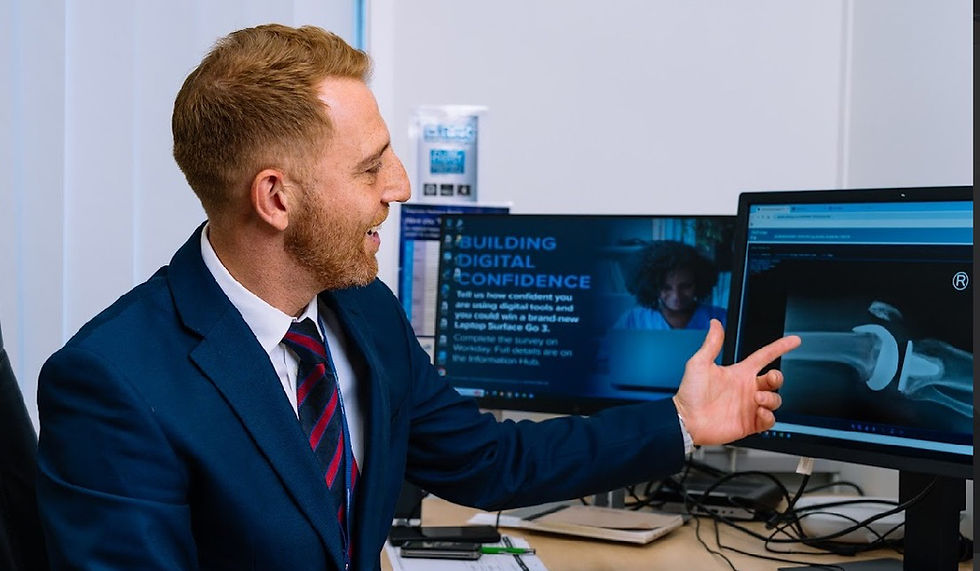
A physical examination helps assess movement, strength, stability, and the likely source of pain. Depending on your symptoms, imaging such as X-rays may be arranged, either on the day or shortly after, to confirm or clarify a diagnosis.
Discussing Your Options
Once a clear picture has formed, you'll be talked through the possible causes of your symptoms and the realistic treatment options available — from non-surgical management such as physiotherapy through to surgery, if and when that becomes appropriate.
There's time built into the consultation to ask questions, and Mr George's approach is to make sure you understand the reasoning behind any recommendation, rather than simply being told what to do.
Fees and Insurance
If you have private health insurance, the practice can guide you through pre-authorisation and the general process, which varies slightly by insurer. Self-pay options are also available for consultations and treatment, with costs discussed transparently upfront.
What Happens Next
Depending on your situation, next steps might include a course of physiotherapy, further imaging, a period of monitoring, or moving toward a surgical plan. Whatever the outcome, you'll leave with a clear understanding of what happens next and why.
Every patient's situation is different, so the goal of the first consultation is simply to understand yours clearly and agree on a sensible, well-explained next step together.


Comments